Mixer Grinders in India: Technology, Market Dynamics, and Future Outlook
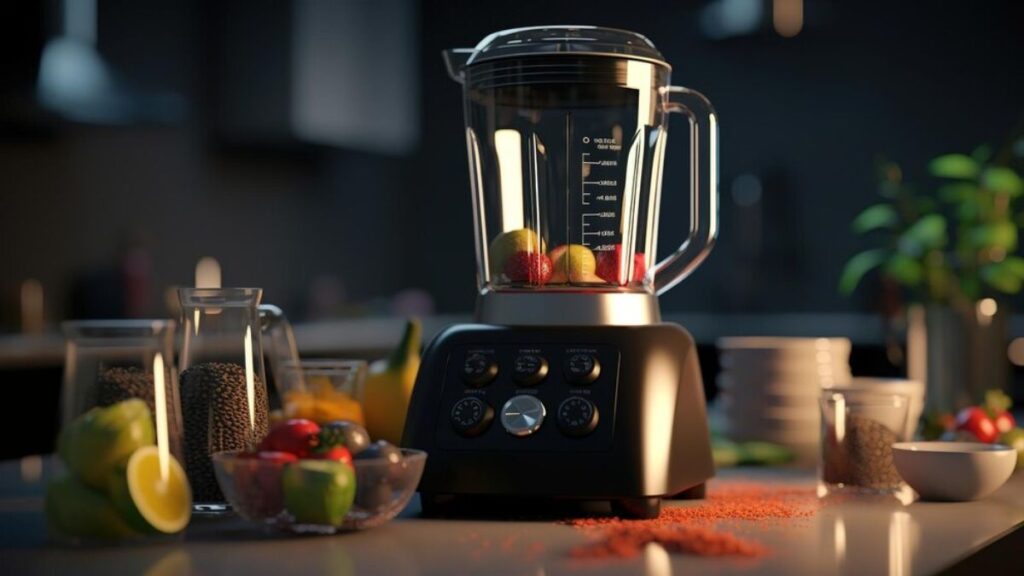
Mixer grinders have become a quintessential kitchen appliance in Indian households. Known for their versatility, they simplify tasks like grinding spices, making pastes, blending ingredients, and preparing various foods. The popularity of mixer grinders stems from their ability to cater to diverse culinary needs, making them indispensable in the Indian kitchen.
Technology Behind Mixer Grinders
The technology driving mixer grinders has evolved significantly over the years. At its core, a mixer grinder consists of a motor that powers a set of blades housed in a jar. The motor’s power, measured in watts, typically ranges from 500W to 750W in most household models, with some high-end models going up to 1000W or more. The higher the wattage, the more efficient the grinder is at handling tough ingredients like whole spices or fibrous vegetables.
Most modern mixer grinders are equipped with multiple speed settings, allowing users to adjust the grinding or blending speed according to their needs. Pulse functions are also common, giving users control over short bursts of high-speed blending for precise results.
Recent advancements in mixer grinder technology include the incorporation of smart features and safety mechanisms. Overload protection is a critical feature that prevents the motor from overheating or burning out when too much load is applied. Anti-skid feet ensure stability during operation, while some models come with auto shut-off features for enhanced safety.
Moreover, modern mixer grinders are designed to be more user-friendly, with features like noise reduction, easy-to-clean detachable parts, and ergonomic designs that reduce strain during prolonged use. Stainless steel jars with sharp, durable blades are standard, and some models offer multiple jar sizes to accommodate various tasks.
Market Overview
The mixer grinder market in India is vast, driven by a combination of factors such as rising disposable incomes, increasing urbanization, and a growing penchant for home-cooked meals. Major players in the market include established brands like Preethi, Bajaj, Philips, and Butterfly, as well as newer entrants that offer competitive pricing and innovative features.
The market is segmented into various categories based on price, features, and brand reputation. There are budget-friendly models that cater to the masses, while premium models with advanced features target more affluent consumers. Additionally, the market is witnessing a rise in demand for multipurpose appliances that combine mixer grinders with other kitchen functions like juicing or food processing.
E-commerce has played a significant role in the market’s growth, providing consumers with a wide array of choices and competitive pricing. Online reviews and ratings also influence consumer decisions, pushing manufacturers to maintain high standards of quality and innovation.
Seasonal demand fluctuations are common, with peak sales occurring during the festive season when consumers often purchase appliances as gifts or for household upgrades. Discounts and promotional offers during this period further stimulate the market.
Future Scope
The future of the mixer grinder market in India is promising, with several trends and innovations shaping its trajectory. One of the most significant trends is the growing demand for energy-efficient and eco-friendly appliances. As consumers become more environmentally conscious, manufacturers are focusing on developing mixer grinders that consume less power and are made from sustainable materials.
Another emerging trend is the integration of smart technology into mixer grinders. With the rise of smart kitchens, consumers are looking for appliances that can be controlled via mobile apps or voice commands. This trend is expected to drive the development of smart mixer grinders that offer convenience, precision, and personalization.
Moreover, there is an increasing emphasis on product durability and after-sales service. Consumers are willing to invest in high-quality products that come with robust warranties and reliable customer support. As a result, manufacturers are focusing on improving the build quality and longevity of their products.
In conclusion, the mixer grinder market in India is set for steady growth, driven by technological advancements, changing consumer preferences, and a focus on sustainability. As manufacturers continue to innovate and cater to the evolving needs of Indian households, mixer grinders will remain a staple kitchen appliance for years to come.