
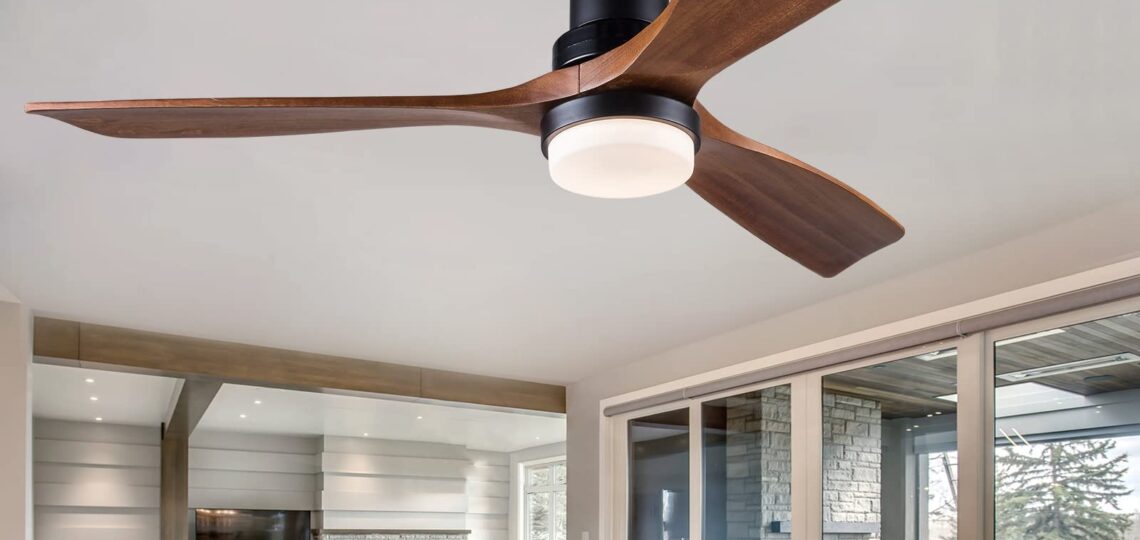
Ceiling Fans: Technology, Market, and Future Scope in India
Ceiling fans have been an integral part of Indian households for decades, providing a cost-effective and energy-efficient means of cooling. Despite the advent of air conditioners, the ceiling fan market in India continues to thrive due to its affordability, low maintenance, and widespread usage across different socio-economic strata.
Technology Behind Ceiling Fans
The basic technology behind ceiling fans has remained relatively unchanged since its inception. A typical ceiling fan consists of a motor housed in the center, which drives blades to rotate, creating airflow. The blades are typically made of materials like metal, plastic, or wood, designed to be lightweight yet durable.
However, advancements in technology have led to significant improvements in ceiling fans. The traditional induction motor has been largely replaced by the Brushless Direct Current (BLDC) motor in newer models. BLDC motors are more energy-efficient, consuming less power while delivering the same or even better performance. This is particularly crucial in a country like India, where energy conservation is a priority.
Modern ceiling fans also come equipped with smart technology. Features such as remote controls, app-based operation, and integration with home automation systems are becoming increasingly common. These smart fans allow users to control speed, timer settings, and even the direction of rotation through their smartphones or voice commands, enhancing user convenience.
Market Overview
The ceiling fan market in India is vast and highly competitive. It is dominated by both domestic and international players, with brands like Crompton, Havells, Usha, Orient, and Bajaj being household names. The market is segmented into various types, including standard ceiling fans, decorative ceiling fans, energy-efficient fans, and smart ceiling fans.
The growth of the market is driven by several factors. The rising middle-class population, increasing urbanization, and the demand for energy-efficient appliances are key contributors. Additionally, the rural electrification initiatives by the Indian government have expanded the market reach, bringing ceiling fans to previously underserved areas.
The market also sees seasonal spikes, particularly during the summer months when demand surges. Retailers often introduce new models or offer discounts during this period, further boosting sales. E-commerce platforms have also played a significant role in expanding the market, offering consumers a wide range of choices with the convenience of home delivery.
Future Scope
The future of ceiling fans in India looks promising, with several trends and developments shaping the market. One of the most significant trends is the shift towards energy efficiency. With the government’s push for energy conservation and increasing consumer awareness, energy-efficient fans, especially those equipped with BLDC motors, are expected to dominate the market.
Another emerging trend is the adoption of smart technology. As more households embrace smart home systems, the demand for smart ceiling fans will likely grow. Manufacturers are investing in R&D to develop fans that are energy-efficient, smart, and aesthetically pleasing.
Moreover, the increasing focus on sustainability is driving innovations in ceiling fan design and manufacturing. Companies are exploring the use of eco-friendly materials and sustainable manufacturing practices. There is also a growing interest in solar-powered ceiling fans, particularly in rural and off-grid areas.
In conclusion, the ceiling fan market in India is poised for steady growth, driven by advancements in technology, energy efficiency, and smart features. As consumers become more conscious of their energy consumption and the convenience of smart appliances, the demand for modern ceiling fans will continue to rise. With the ongoing rural electrification and urbanization, the market is expected to expand further, making ceiling fans a staple in Indian households for years to come.
Hi, this is a comment.
To get started with moderating, editing, and deleting comments, please visit the Comments screen in the dashboard.
Commenter avatars come from Gravatar.